If you have a chipped, stained, cracked, or uneven tooth, cosmetic dentistry may offer several ways to improve your smile. Two options you may hear about are dental veneers and dental bonding.
Both can create natural-looking results, but they work differently. Bonding is often used for smaller repairs, while veneers cover the front surface of a tooth and can address broader cosmetic concerns.
So, veneers vs. bonding: which is right for you? Here’s what to consider.
What Are Dental Veneers?
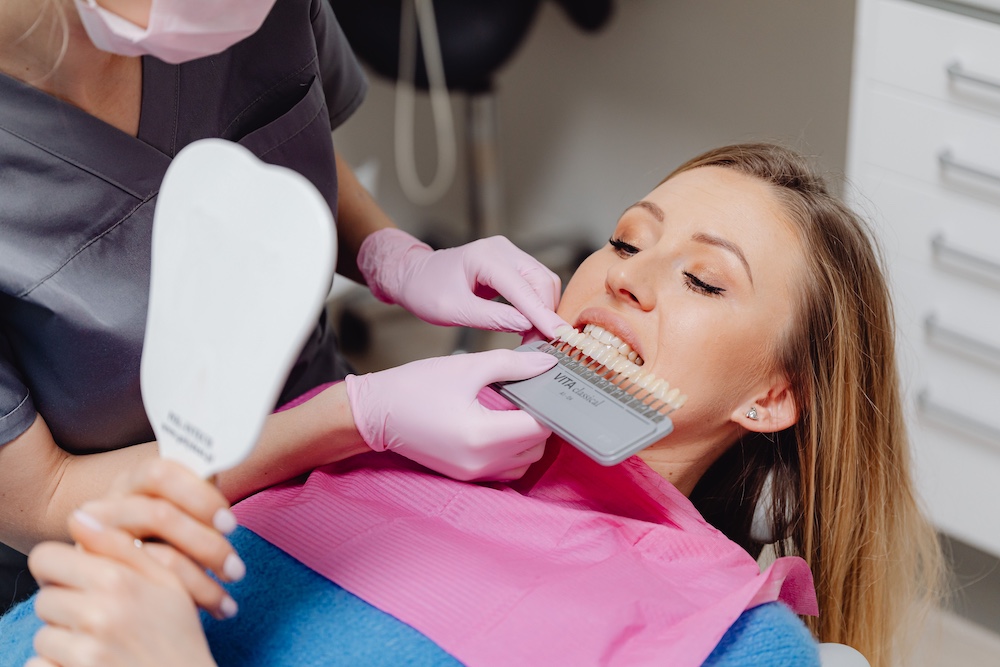
Dental veneers are thin, custom-made coverings placed over the front surface of teeth. They can improve the appearance of teeth that are chipped, cracked, stained, uneven, or irregularly shaped.
Veneers may be made from porcelain or composite resin. Porcelain veneers are known for their natural appearance, durability, and resistance to staining.
Because veneers cover the visible surface of the tooth, they can change its apparent colour, shape, and overall appearance.
What Is Dental Bonding?
Dental bonding involves applying tooth-coloured composite resin directly to a tooth. The material is shaped, hardened, and polished to blend with your natural tooth.
Bonding can be particularly useful for small chips, minor cracks, and localized imperfections. Depending on the situation, treatment may be completed in a single appointment.
Veneers vs. Bonding: What’s the Difference?
The biggest difference between veneers and dental bonding is how the tooth is treated and how much of it is covered.
With dental bonding, tooth-coloured composite resin is applied directly to a specific area of the tooth. This can make bonding a good option for smaller concerns, such as a minor chip, crack, or localized imperfection. Bonding typically requires less alteration of the natural tooth, although the composite material can stain, chip, or wear over time.
Dental veneers cover the visible front surface of a tooth. Because they cover a larger area, veneers can address several cosmetic concerns at once, including staining, chips, cracks, or irregular tooth shape. Porcelain veneers are also highly resistant to staining and can provide a durable, natural-looking result. Depending on the type of veneer, however, some natural enamel may need to be removed.
Ultimately, the better option depends on the condition of your teeth, the extent of the cosmetic concern, and your goals for your smile.
The Canadian Dental Association’s information on bonding and veneers provides additional information about how these treatments work.
Pros and Cons of Veneers
Advantages
- Can address several cosmetic concerns at once
- Designed to look similar to natural teeth
- Porcelain is highly resistant to staining
- Can provide a durable cosmetic restoration
Considerations
Depending on the type of veneer, some natural enamel may need to be removed. Veneers can also chip, loosen, or eventually require replacement. Porcelain veneer treatment involving enamel removal is generally considered irreversible.
A dentist should examine your teeth and gums before determining whether veneers are appropriate.
Pros and Cons of Dental Bonding
Advantages
- Conservative option for smaller repairs
- Tooth-coloured material creates a natural appearance
- Can repair small chips and surface imperfections
- May be completed in one appointment
Considerations
Composite resin generally isn’t as stain- or wear-resistant as porcelain. Bonded areas can also chip or wear and may need to be repaired or touched up over time.
Who Is a Good Candidate for Veneers?
Veneers may be worth discussing with your dentist if you have healthy teeth and gums but want to improve concerns such as:
- Noticeable chips or cracks
- Staining or discolouration
- Irregular tooth shape
- Multiple cosmetic imperfections affecting the same tooth or teeth
Any tooth decay or gum disease should be addressed before veneer treatment is considered.
Who Is a Good Candidate for Bonding?
Bonding may be more appropriate when the area requiring treatment is relatively small. For example, someone with a small chip in an otherwise healthy front tooth may only need the damaged area restored rather than covering the entire front surface.
Your dentist will consider the condition of the tooth, the extent of the damage, your bite, and your overall oral health when recommending treatment.
How Westshore Dental Can Help You Choose
There’s no universal winner when comparing veneers vs. bonding. The right choice depends on your teeth, oral health, and what you would like to change about your smile.
At Westshore Dental, our team can examine your teeth and discuss suitable options based on your individual needs. For a small chip, bonding may be sufficient. For more extensive cosmetic concerns, veneers may be worth considering.
If you’re exploring cosmetic dentistry in Langford, BC, you can learn more about our dental services available at WestShore Dental.
Book an appointment with WestShore Dental to discuss your smile with our Langford dental team.


